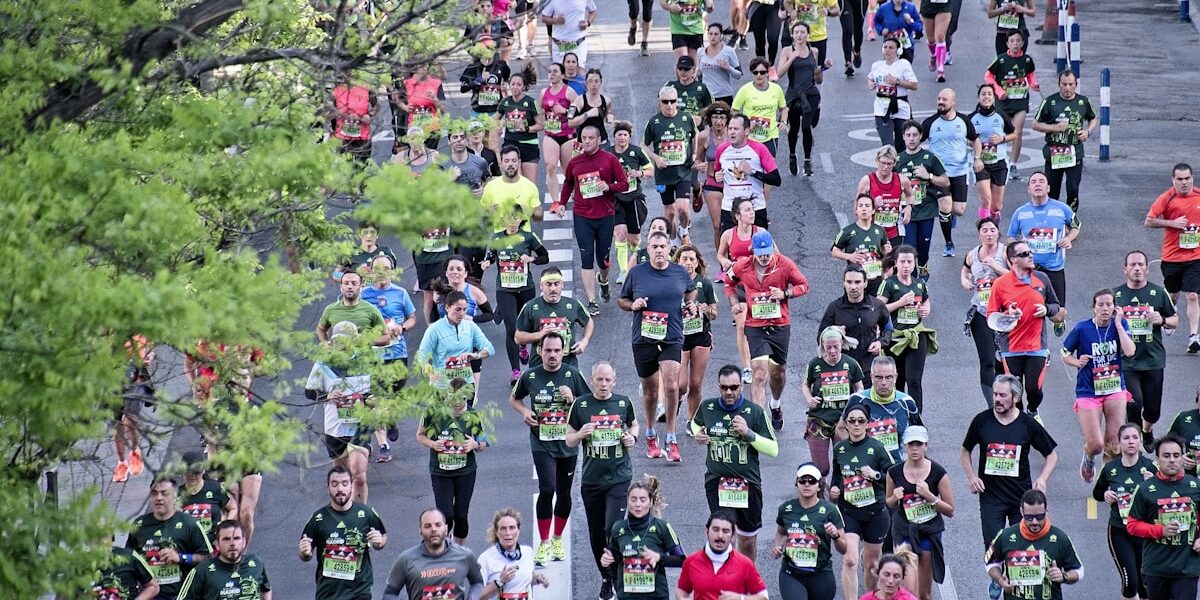
Understanding Average Ironman Times
Ironman finishing times have gotten confusing with all the conflicting information out there. As someone who obsessively studied average times before my first full-distance race, I learned that the numbers only tell part of the story. Today, I will share what the data actually shows and what it means for your race planning.
The Breakdown of Ironman Disciplines
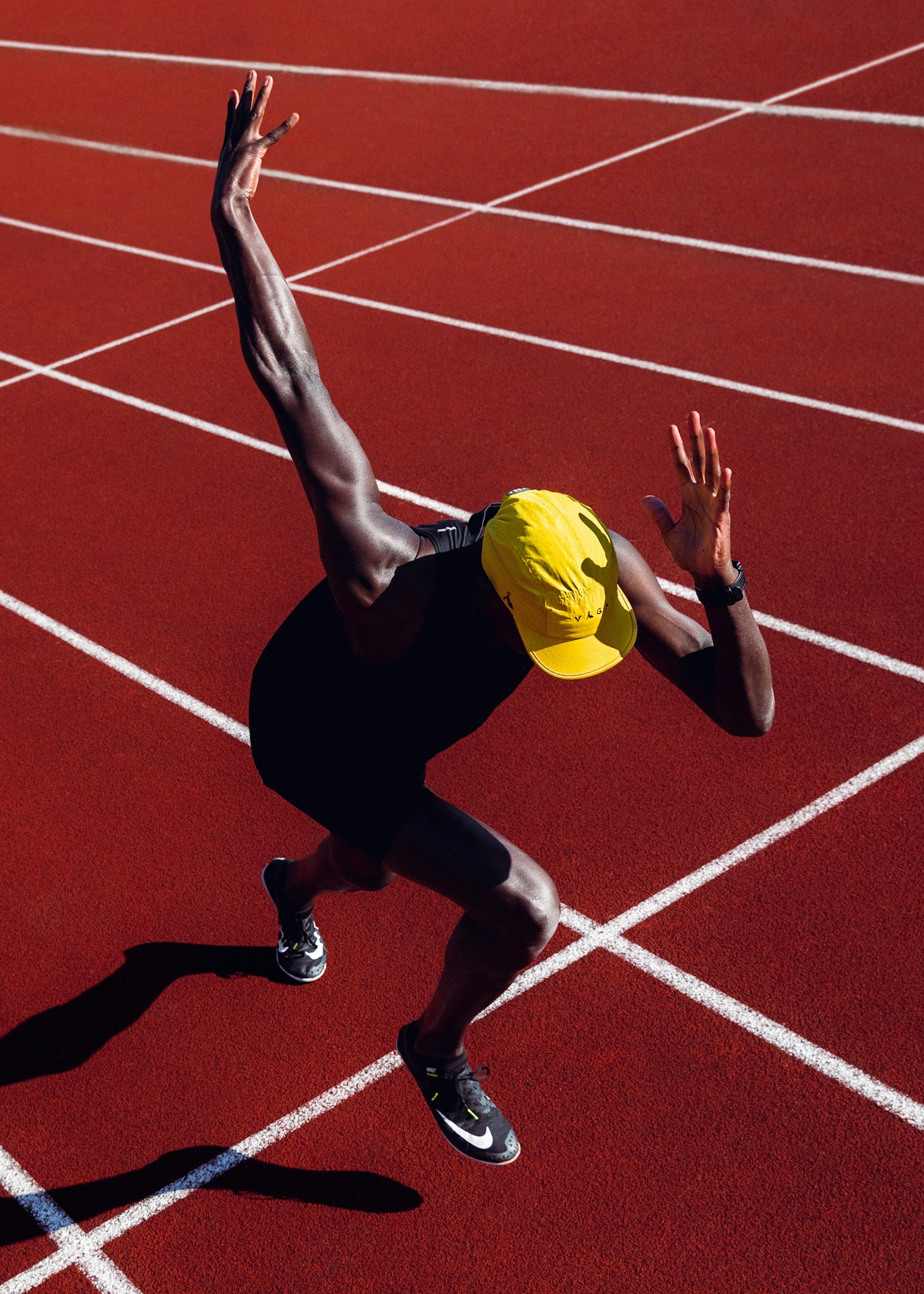
Before we talk times, here’s the quick rundown for anyone new to this: a full Ironman consists of a 2.4-mile swim, a 112-mile bike ride, and a full 26.2-mile marathon, done back to back. Each discipline requires specific training and skills, and the combined demand is what makes this event genuinely special. You can’t fake your way through 140.6 miles.
Average Times: What to Expect
Finishing an Ironman is an achievement regardless of time. I need to say that upfront because it’s true. But if you want to know what typical finishing times look like, here’s what the data shows:
- Swim: The average swim time runs about 1 hour and 15 minutes to 1 hour and 20 minutes. Fast swimmers finish under an hour; others take over ninety minutes. The swim is where you set up your day, not where you win your race.
- Bike: Cycling usually takes 5 hours and 30 minutes to 6 hours for an average athlete. Strong cyclists finish in just under 5 hours, while beginners might take 7 hours or more. That is what makes the bike leg so critical — it’s where the most time is spent and where pacing mistakes cost the most.
- Run: The marathon takes most participants between 4 and 5 hours. Elites finish in around 3 hours, while others go beyond 5. The run is where Ironman races are truly decided, because everyone hurts and the question is who manages the hurt best.
Total time typically ranges from 11 to 13 hours for most athletes. The cutoff is 17 hours, with segment cutoffs along the way to ensure you’re on pace to finish.
The Role of Age and Experience
Athletes in the 25-39 age range generally clock the fastest times, which isn’t surprising. But I’ve watched plenty of 50-plus athletes demolish the field based on experience, smart pacing, and years of accumulated fitness. Rookies typically finish slower than veterans, and the difference is almost always about race execution, not raw ability.
Probably should have led with this section, honestly — experience matters enormously in Ironman. Knowing when to push and when to hold back saves more time than any amount of interval training.
Gender Differences in Ironman Times
Men finish faster on average than women across all three segments. That said, the gap is narrowing as participation among women grows. Some of the most impressive Ironman performances I’ve witnessed came from female age-groupers who executed flawless race strategies.
Location and Conditions Impact
Course selection matters more than most athletes realize. Hilly terrain, heat, humidity, and wind can add significant time to your finish. Ocean swims with strong currents are a different animal than calm lake swims. I am apparently one of those people who underestimated course conditions at my first race, and it cost me about 45 minutes on what I thought would be a routine bike leg. Check the course profile and historical weather data before you sign up.
Training and Its Impact on Finishing Time
Athletes with structured, periodized training plans consistently outperform those winging it. Training spans several months and balances endurance building, strength work, and discipline-specific skills. Nutrition practice and recovery are just as important as the hard sessions. If you’re serious about your finishing time, follow a plan — don’t just accumulate junk miles.
Monitoring Performance
Heart rate monitors, GPS watches, and power meters provide real-time data that helps you train and race smarter. I use this data daily, and the difference between data-driven training and guessing is enormous. These tools help set realistic goals and execute on race day.
Mental Toughness
Physical fitness gets you to the starting line. Mental toughness gets you to the finish. The ability to push through discomfort when everything hurts at mile 22 of the marathon is what separates finishers from DNFs. Visualization, mantras, breaking the race into small chunks — find what works for you and practice it in training.
Nutritional Strategies
Race nutrition can make or break your Ironman. Carb loading before race day, strategic electrolyte and fluid intake during the race, and easily digestible energy sources throughout all matter. Test everything in training. Your stomach will thank you on race day.
Recovery: The Forgotten Element
Post-race recovery influences future performance more than most athletes appreciate. Rehydration, nutrient replenishment, physical therapy, and genuine rest are all necessary. A balanced approach to recovery prevents injuries and builds long-term athletic development. Don’t rush back to training after an Ironman — your body needs time to heal from what you just put it through.
Recommended Triathlon Gear
Garmin Forerunner 945 – $449.00
Premium GPS triathlon watch with music and maps.
Triathlete Magazine Complete Training – $18.00
Comprehensive guide to triathlon success.
As an Amazon Associate, we earn from qualifying purchases.


Stay in the loop
Get the latest wildlife research and conservation news delivered to your inbox.