
Kona Ironman 2024: A Comprehensive Guide
Kona talk has gotten intense with all the qualifying drama and course changes over the years. As someone who has followed this race obsessively since 2016 and dreams of earning a slot someday, I learned that understanding the event goes way beyond just knowing the distances. Today, I will share everything you need to know about the Ironman World Championship in Kona.
Brief History of the Kona Ironman
Since 1978, Kona has been the pinnacle of triathlon. The first race was born from a simple idea: combine three of Hawaii’s toughest endurance events into one. What started as a niche competition among fifteen people has become a global icon. The history alone gives you chills when you stand on Ali’i Drive and imagine the decades of athletes who have crossed that finish line.
The Course Layout
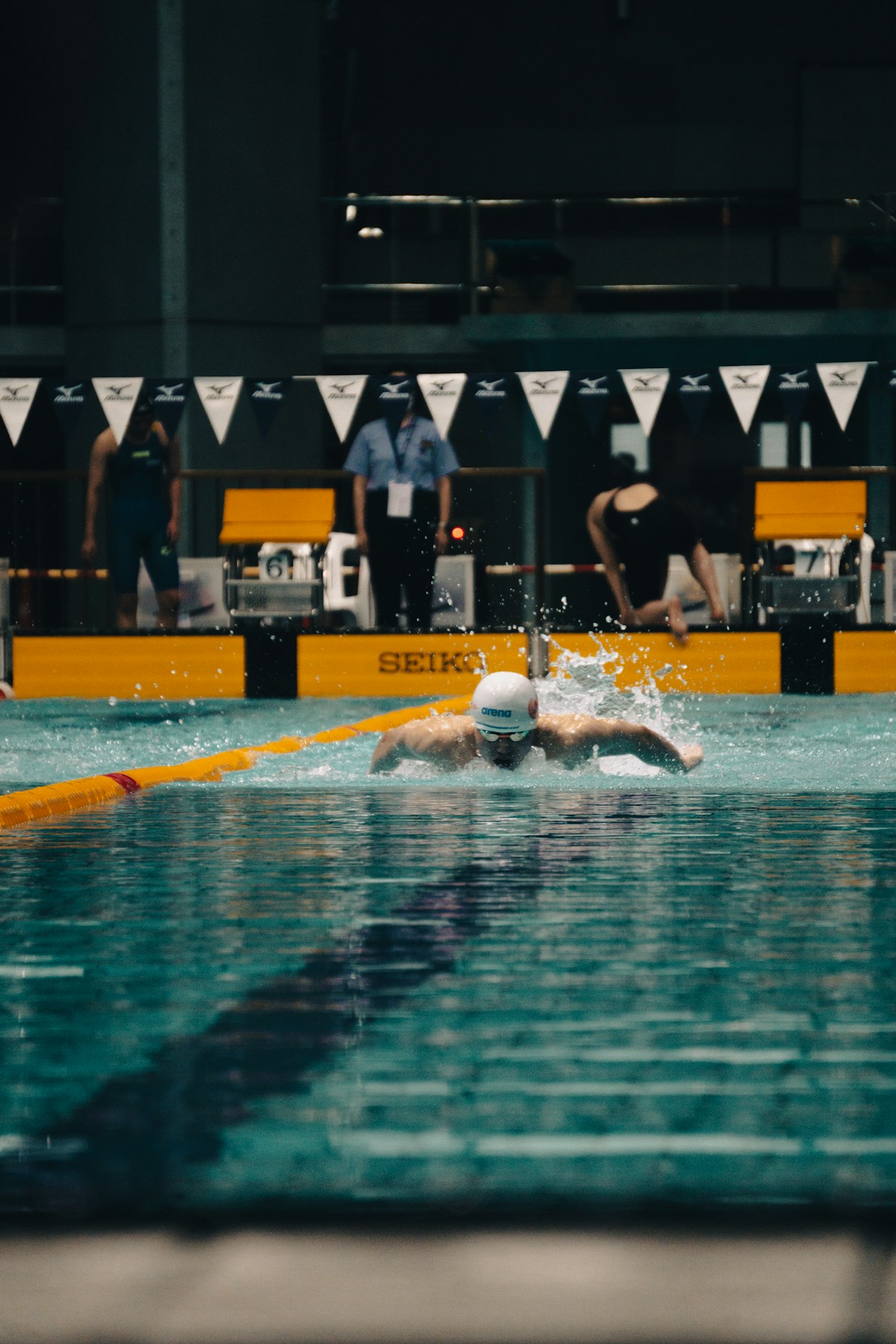
The course is legendary for good reason. Athletes start with a 2.4-mile swim in Kailua Bay. The water is usually calm, but ocean currents and occasional swells can surprise you if you’re not prepared. I’ve watched enough race footage to know that even strong swimmers can get thrown off by conditions on any given day.
The 112-mile bike ride along the Queen Kaahumanu Highway is where Kona earns its reputation. The crosswinds through the lava fields are relentless, the heat radiates from the black rock, and there is essentially zero shade. That is what makes Kona special for us triathlon fans — it strips away all the advantages and reveals pure grit. You either manage the conditions or the conditions manage you.
The marathon finishes back in Kailua-Kona, and temperatures can be brutal. The energy on Ali’i Drive during the final miles provides a boost that runners describe as almost otherworldly. Probably should have led with this section, honestly, because the course is what makes Kona different from every other Ironman.
Training for the Big Day
Competing in Kona requires months — realistically years — of dedicated preparation. Most serious contenders follow structured programs that balance endurance with intensity. The key training elements include:
- Swimming: Open-water practice is essential. Work on stroke efficiency and breathing techniques, because pool fitness alone won’t prepare you for Kailua Bay.
- Cycling: Long rides with hill training and wind exposure prepare you for the highway. If you live somewhere flat and calm, you need to simulate those crosswind conditions somehow.
- Running: Brick sessions — back-to-back cycling and running — are critical for adapting to running on fatigued legs in heat.
- Strength and Flexibility: Gym work and yoga prevent injuries and improve overall performance. Don’t skip this.
Rest days are as important as the hard sessions. I am apparently one of those people who had to learn this the hard way before accepting that recovery is where adaptation actually happens.
Nutritional Strategies
Race nutrition at Kona is a whole different challenge because of the heat. Pre-race carb loading and hydration are critical. During the race, athletes rely on gels, bars, and isotonic drinks, but the heat demands significantly more fluid and electrolyte intake than cooler races. Test everything during training in hot conditions. Race day is not the time to experiment.
Qualifying for Kona
You can’t just sign up — you have to earn your slot through qualifying races worldwide. These slots are highly coveted, and the competition for age-group spots is fierce at every qualifier. Alternative paths include legacy program entries for athletes with extensive Ironman history. Every qualifying event has allocated slots based on age groups, so knowing your competition is part of the game.
Environmental Considerations
Kona’s environment is the course’s secret weapon. Heat, humidity, and lava fields that absorb and radiate heat create conditions unlike any other Ironman. Lightweight gear, aggressive hydration strategies, and heat acclimation are all necessary. Athletes and spectators should also protect themselves from intense sun exposure — this is Hawaii at its most unforgiving.
Technology in Ironman
GPS watches, power meters, and smart hydration systems have changed how athletes prepare for and execute Kona. Real-time feedback on pace, heart rate, and power output enables precise energy management, which is crucial when the conditions can change your race plan in minutes.
Inspirational Stories from Kona
The spirit of Kona lives in its stories. Athletes recovering from serious illness, competitors defying age expectations, first-timers finishing in tears — these moments are why people watch and why athletes spend years chasing a slot. While the pros make headlines, the heart of Ironman beats in the age-groupers who cross the finish line hours later, having left everything on the course.
What to Expect
Each year brings new stories, new records, and new reasons to follow this race. The event continues to prioritize sustainability, with integrated waste management policies and reduced plastic use. Whether you’re planning to race, volunteer, or spectate, Kona delivers an experience that stays with you.
Tips for Spectators
Arrive early, plan your movement around the course, and consider volunteering for a deeper connection to the event. Supporting athletes along the route genuinely matters — a simple cheer at mile 24 of the marathon can mean everything to someone pushing through the darkest moments of their race.
Recommended Triathlon Gear
Garmin Forerunner 945 – $449.00
Premium GPS triathlon watch with music and maps.
Triathlete Magazine Complete Training – $18.00
Comprehensive guide to triathlon success.
As an Amazon Associate, we earn from qualifying purchases.




Stay in the loop
Get the latest wildlife research and conservation news delivered to your inbox.