Age-group triathlon has gotten complicated with all the training advice flying around. As someone who spent three years bouncing between recreational races and competitive finishes, I learned everything there is to know about what actually separates podium athletes from middle-of-the-pack finishers. Today, I will share it all with you.
Fair warning: this stuff works, but it requires commitment. If you are looking for shortcuts, close this tab now.
Periodization Actually Matters
I used to think periodization was something coaches invented to justify their fees. Train hard all the time, race fast, repeat. That approach worked for exactly one season before I hit a wall so hard I could barely finish a sprint distance.
Probably should have led with this section, honestly. Periodization divides your training year into distinct phases, each with specific goals. This structured approach prevents burnout, peaks your fitness for key races, and allows for systematic improvement year over year.
Base Phase – The Boring Foundation
The base phase typically lasts 8-12 weeks and focuses on building aerobic capacity. Training is predominantly low intensity with high volume. You are building the foundation upon which all faster work will sit.
During base phase, most workouts should feel conversational. You should be able to speak in complete sentences while training. If you are breathing too hard to talk, you are going too fast for base building.
That is what makes base training endearing to us competitive types – it feels wrong. Your brain screams for intensity while your body quietly thanks you for the patience. I am apparently one of those people who needs structure, and base phase works for me while random hard efforts never did.
Build Phase – Where It Gets Real
The build phase introduces intensity while maintaining the aerobic foundation. Lasting 6-8 weeks, this phase includes threshold work, race-pace sessions, and sport-specific workouts that simulate race demands.
Typical build phase workouts include tempo runs at half-marathon pace, bike sessions with extended threshold intervals, and swim sets at race pace with limited rest. The volume may decrease slightly as intensity increases.
This phase should feel challenging but sustainable. You are pushing your limits while remaining consistent. Missing workouts due to fatigue indicates too much intensity too soon.
Peak Phase – Sharpening the Blade
The peak phase, lasting 3-4 weeks before your target race, sharpens race-specific fitness while allowing recovery from accumulated training stress. Volume drops significantly while maintaining some high-intensity work.
Race simulation becomes important during peak phase. Practice your exact race-day nutrition, pacing strategy, and equipment. Identify and address any issues before they become race-day problems.
Recovery Phase – The Part Everyone Skips
After significant races, a recovery phase allows physical and mental restoration. Depending on race distance and your body’s response, this might last 1-4 weeks. Training during recovery should be unstructured, enjoyable, and completely without pressure.
Many athletes skip adequate recovery, eager to resume training. This frequently leads to staleness, illness, or injury later in the season. Recovery is not wasted time – it is when adaptation actually occurs. Trust me on this one.
Training Zones and Their Application
Heart rate, power, and pace zones provide objective measures of training intensity. Each zone targets different physiological systems and should be used strategically.
Zone 2: Where the Magic Happens
Zone 2 work builds mitochondrial density, fat-burning efficiency, and aerobic enzyme concentration. This work feels easy – too easy for many athletes – but provides enormous physiological benefits.
Competitive triathletes typically spend 70-80% of total training time in zone 2. This polarized approach produces better results than constantly training at moderate intensity. I fought this advice for years before finally accepting it worked.
Zone 3: The Trap
Zone 3 sits between easy aerobic work and threshold training. Training here produces some benefits but is not optimal for either aerobic development or threshold improvement. It is hard enough to accumulate fatigue but not hard enough to drive significant adaptation.
Competitive athletes should minimize time in zone 3. It is not forbidden, but it should not be the primary training zone.
Zone 4: Threshold Development
Threshold training improves your ability to sustain hard efforts. This intensity corresponds to approximately one-hour race pace.
Threshold workouts include tempo runs, steady-state bike efforts, and swim sets at race pace. These sessions are demanding and require recovery, so they are typically scheduled once or twice per week per discipline.
Zone 5: VO2max Work
High-intensity work develops maximum oxygen uptake and neuromuscular power. These workouts involve short, very hard efforts with significant recovery between intervals.
Zone 5 work is most effective when you have a solid aerobic base. It is typically introduced during the build phase and maintained through peak phase. These sessions are very demanding and should be used sparingly.
Sport-Specific Training That Actually Helps
Swimming for Competition
Competitive triathlon swimming emphasizes efficiency over pure speed. Your swim should leave you ready to race the bike, not exhausted from maximum effort.
Key swimming focuses include perfect technique at race pace, drafting skills, mass start practice, and sighting efficiency. Work with a coach or video analysis to identify technique limiters.
Pool training should include race-pace sets that simulate event duration. If racing Olympic distance, practice 1500-meter continuous swims at goal pace. For Ironman, extend to 3800-meter practice swims.
Cycling for Competition
The bike leg offers the greatest opportunity for time gains. Aerodynamics, pacing, and power output all significantly impact results.
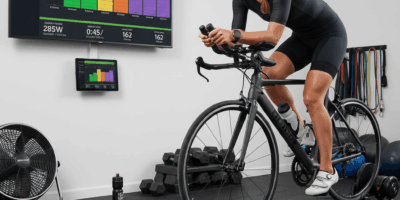
Train with a power meter if possible. Power provides the most accurate measure of effort and enables precise pacing on race day. Learn your functional threshold power and train specific percentages of that value.
Include specific workouts for race demands: steady-state efforts at race power, hill repeats for courses with climbing, and brick sessions that prepare you for the run ahead.
Running for Competition
The run determines final placing more than any other discipline. Athletes with strong runs consistently out-perform those with weak runs, regardless of swim and bike results.
Running off the bike requires specific adaptation. Your legs have been pedaling for hours and must now handle impact forces. Include brick runs in weekly training.
Race-pace running should account for prior fatigue. Your triathlon run pace will be slower than standalone race pace. Train at realistic triathlon running speeds, not marathon times.
Strength Training – Yes, You Need It
Strength training supports triathlon performance by preventing injury, improving economy, and developing power. A consistent year-round strength program benefits every discipline.
Core Strength
A strong core transfers power between upper and lower body during swimming, maintains aero position on the bike, and controls running mechanics when fatigued.
Basic core exercises should be performed 3-4 times weekly. Progress to more challenging variations as you develop baseline strength.
Lower Body Strength
Strong legs produce power and resist fatigue. Squats, lunges, and step-ups build the quad, glute, and hamstring strength essential for both cycling and running.
Single-leg exercises address the unilateral nature of running and identify imbalances between legs. Include single-leg squats, single-leg deadlifts, and split squats in your routine.
Periodizing Strength Work
Strength training should align with your triathlon periodization. During base phase, focus on building strength with heavier loads. As race season approaches, transition to maintaining strength with lighter loads and higher repetitions.
Reduce or eliminate strength training during peak and taper phases. The goal before key races is recovery, not adaptation.
Race Strategy and Execution
Pre-Race Preparation
Competitive racing requires attention to detail. Preview the course if possible. Identify key sections, challenges, and opportunities.
Prepare equipment thoroughly. Check tires, brakes, shifting, and all components. Lay out transition with precision. Eliminate any decisions required on race morning.
Pacing Strategy
Smart pacing separates competitive age-groupers from recreational participants. The goal is negative or even splits rather than starting fast and fading.
Use power or heart rate to govern bike effort rather than position or speed. Save your legs for the run. Many athletes sacrifice their run by pushing too hard on the bike.
Nutrition Execution
Practice your race nutrition extensively during training. Know exactly what you will consume and when. Set reminders if needed to stay on schedule.
Be prepared to adjust based on conditions. Hot races require more fluids and electrolytes. Cool races may reduce appetite but still require fuel.
Recovery and Longevity
Sustainable competitive racing requires attention to recovery. Training breaks down the body; recovery rebuilds it stronger. Neglecting recovery leads to declining performance, injury, and burnout.
Sleep is the most important recovery tool. Aim for 7-9 hours nightly, with additional sleep during heavy training blocks.
Listen to your body. Persistent fatigue, elevated resting heart rate, declining performance, and mood changes indicate overtraining. Respond by reducing training load, not pushing through.
Building Your Competitive Future
Competitive triathlon rewards patience and consistency. Fast improvement in the first years eventually slows. Long-term success comes from sustainable training, smart racing, and continuous learning.
Work with experienced coaches who understand your goals and constraints. Join clubs and training groups that push your limits. Study the sport.
Set process goals alongside outcome goals. Instead of just targeting a specific finish time, commit to completing every scheduled workout, nailing race nutrition, or improving a technical weakness. Process focus produces results.
Most importantly, remember why you race. Competitive triathlon should enhance your life, not consume it. Balance ambition with perspective, and the sport will reward you for years to come.