Triathlon race formats have gotten confusing with all the drafting rules and equipment restrictions flying around. As someone who embarrassingly showed up to my first draft-legal race on a TT bike with aerobars, I learned everything there is to know about what separates these two completely different racing worlds. Today, I will share it all with you.
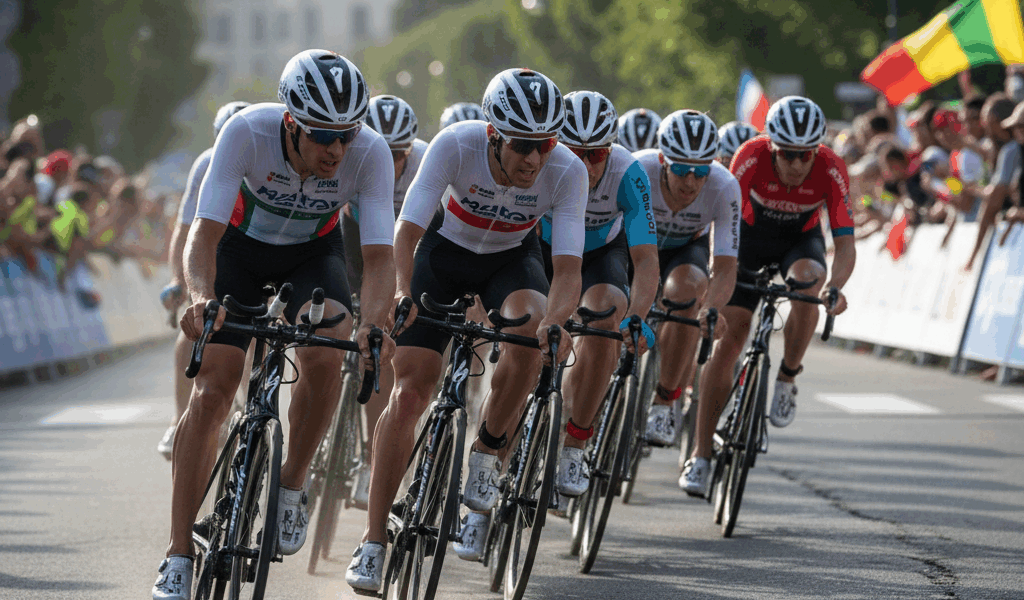
Triathlon includes two distinct racing formats that demand completely different skills and strategies. Draft-legal racing allows cyclists to ride in packs, transforming the bike leg into a tactical chess match. Non-drafting time trials isolate athletes against the clock, rewarding raw power and aerodynamic efficiency.
Understanding these differences helps you choose appropriate races and train for your target events.
The Drafting Advantage
Cycling in a pack reduces wind resistance by 30-40 percent compared to riding alone. This enormous energy savings means athletes in draft-legal races can ride at the same speed while expending far less effort than time-trial competitors.
Probably should have led with this section, honestly. The practical effect is dramatic. Athletes who would be minutes apart in a time trial finish the bike together when drafting is legal. The race effectively resets at T2, with running ability becoming the primary determinant of final placing.
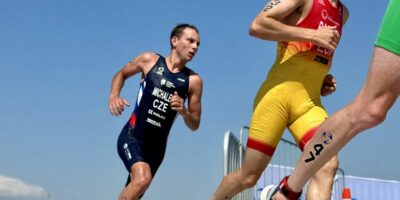
Elite ITU racing uses draft-legal format. Athletes swim in packs, ride in packs, and the fastest runners typically win regardless of their swim or bike ranking. World champions are almost universally exceptional runners who survive the bike rather than dominating it.
Draft-Legal Equipment
Draft-legal racing requires road bikes rather than time-trial bikes. Aerobars are prohibited because they create safety hazards in pack riding. Disc wheels and other extreme aero equipment are banned.
The equipment restrictions level the playing field. Athletes with expensive TT setups gain no advantage. A basic road bike performs comparably to a top-tier race machine in draft-legal conditions.
I am apparently one of those people who learns by making mistakes, and finding out about equipment rules at check-in was not my finest moment. Bike handling skills matter enormously. Riding in close proximity to other athletes, cornering at speed, and maintaining position in a nervous pack requires practice. Crashes happen frequently when inexperienced riders enter draft-legal racing.
Draft-Legal Tactics
Positioning in draft-legal swimming determines bike pack placement. Strong swimmers reach their bikes first and form the front group. Weak swimmers often cannot bridge to the front pack and spend the entire bike leg chasing.
Within bike packs, conserving energy becomes the priority. Sitting in the middle of the group saves more energy than pulling at the front or being exposed on the edges. Knowing when to work and when to recover is a learned skill.
That is what makes draft-legal racing so addictive for us tactical thinkers – the chess match happens at 25 miles per hour. Breakaways occasionally succeed but usually fail. A small group riding away from a large pack fights against mathematical disadvantage. The pack catches most escapes before T2.
Time Trial Format
Non-drafting triathlon – Ironman, half-Ironman, most age-group events – prohibits drafting. Athletes must maintain specified distances from other cyclists or risk penalties.
Without drafting, the bike leg rewards pure power output relative to aerodynamic drag. Stronger cyclists open gaps that weaker riders cannot close. The bike often determines race outcome before the run even starts.
Time-trial bikes with aerobars, disc wheels, and aggressive positions maximize efficiency. Equipment matters significantly – the right setup can save minutes over long courses.
Time Trial Strategy
Pacing replaces tactics as the primary skill. Starting too hard means fading badly. Starting too conservatively leaves time on the course. Finding sustainable power that maximizes performance requires experience and data.
Power meters provide objective pacing guidance. Knowing your threshold power and targeting specific percentages removes guesswork. Athletes without power meters rely on heart rate or perceived effort, both of which are less precise.
The strongest cyclists in time-trial racing combine high power output with efficient aerodynamics. Watts per CdA (drag coefficient times frontal area) determines actual speed. Some athletes focus on increasing power while others optimize position – the best do both.
Choosing Your Format
Athletes with running backgrounds often excel in draft-legal racing. The equalized bike neutralizes cycling weaknesses while running strength delivers results.
Athletes with cycling backgrounds often prefer time trials. Bike fitness translates directly to racing advantage. Strong cyclists can offset weaker swimming and running with dominant bike splits.
Training differs between formats. Draft-legal athletes need explosive power for attacks and bike-handling skills for pack riding. Time-trial athletes need sustained power and aerodynamic optimization.
Most age-group races use non-drafting format. Draft-legal racing exists primarily at elite and select amateur levels. Understanding both formats helps you choose appropriate goals and develop relevant skills.