
The Essential Guide to the Triathlon Suit
Trisuit shopping has gotten overwhelming with all the options and marketing claims out there. As someone who has owned four different trisuits over the years — including one disastrous impulse buy that chafed so badly I almost DNF’d — I learned that choosing the right one matters way more than most beginners realize. Today, I will share what you actually need to know before spending your money.
What is a Triathlon Suit?
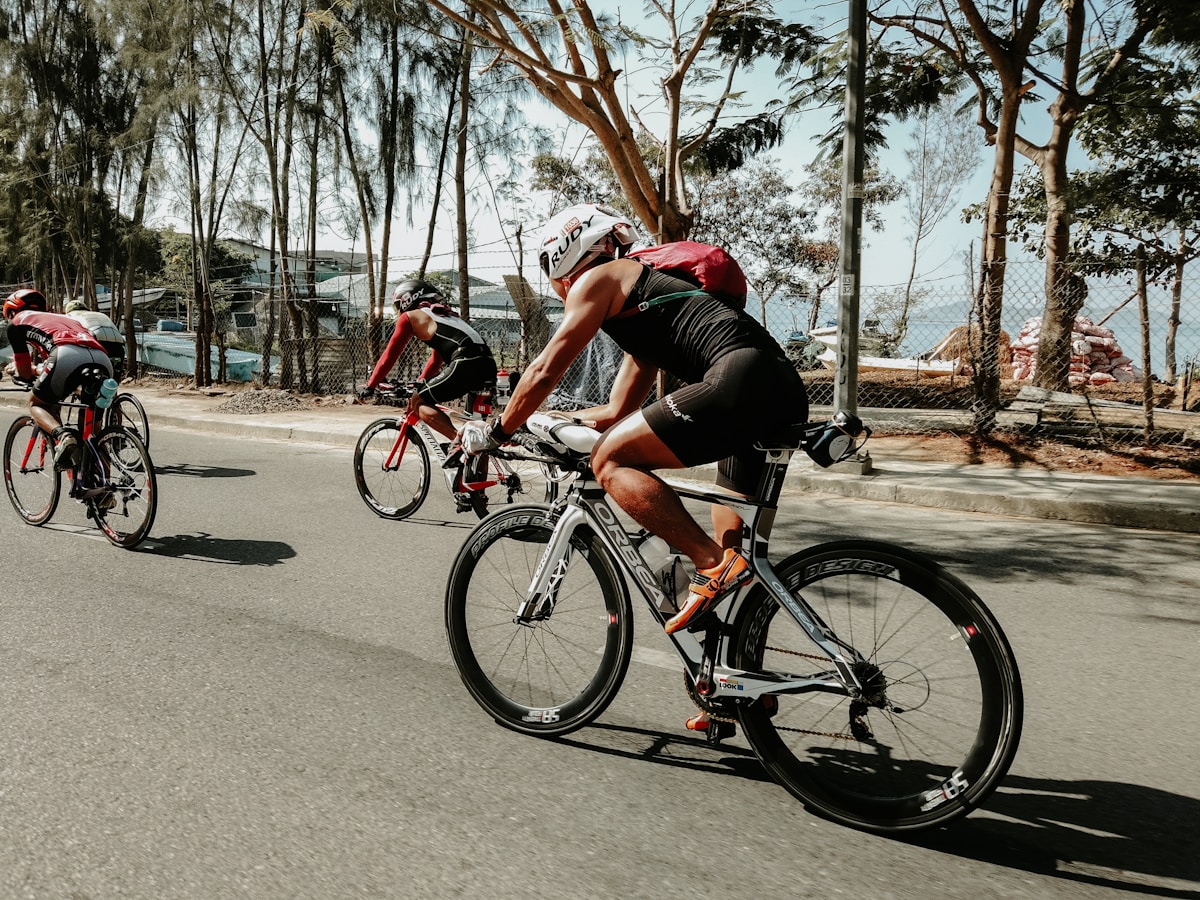
A trisuit is a purpose-built garment designed to get you through all three triathlon disciplines without changing clothes. Most come as one-piece suits, though two-piece options with separate tops and shorts exist. The entire point is eliminating transition time and maintaining comfort across swimming, cycling, and running.
Features That Actually Matter
The fabric should be lightweight, breathable, and quick-drying. It needs to minimize drag in the water while wicking moisture during the bike and run. Most suits include a built-in chamois pad that’s thinner than a cycling-specific pad — just enough cushion for the bike leg without creating bulk during the swim or run.
Fit is everything. That is what makes trisuit shopping tricky for us regular-shaped athletes — the suit needs to be snug without restricting movement. Too loose and you create drag; too tight and you can’t breathe properly during the run. Flatlock stitching prevents chafing, which becomes critically important around hour three of a race when everything is wet and rubbing.
Design Considerations
Sleeveless suits give you more range of motion in the swim. Sleeved versions offer sun protection and marginally better aerodynamics. I am apparently one of those people who burns no matter what, so I switched to sleeved suits years ago and never looked back.
Pockets seem minor, but rear pockets that hold energy gels without creating drag are surprisingly important. You don’t want to fumble with nutrition on the bike course. Just don’t overload them.
Materials and Fabric Technology
Modern trisuits use blends of Lycra and Spandex for stretch and mobility. Some include compression fabric that can improve blood flow and reduce muscle fatigue. Water-repellent coatings help with swim drag, and UV protection is built into many higher-end options. Fabric technology keeps advancing, which is great for performance but makes choosing harder every year.
Choosing the Right Suit
Race distance should guide your choice. Long-distance events need more padding and support. Sprint races prioritize speed and flexibility. Budget matters too — entry-level suits from brands like Zoot or 2XU perform perfectly well, while premium options from HUUB or Castelli offer advanced materials and engineering.
Probably should have led with this section, honestly: always try on different brands before buying. Sizing varies significantly between manufacturers, and what works perfectly on your training partner might be terrible on you. Order from retailers with good return policies.
Caring for Your Trisuit
Rinse in cool water after every use to remove salt, chlorine, and sweat. Skip harsh detergents and bleach. Hang dry out of direct sunlight. Don’t wring it out — just let it drip. A well-maintained trisuit lasts multiple seasons. A neglected one falls apart fast.
Innovations Worth Knowing About
Cooling technology, 3D-modeled fits, and eco-friendly recycled materials are all showing up in newer suits. Some brands now offer bespoke custom fits for athletes willing to pay more. The sustainability angle is real too — several manufacturers are using recycled materials and cleaner production processes.
Performance Benefits
A good trisuit saves transition time, reduces drag, and maintains comfort across hours of racing. Every second counts, and not having to change clothes between disciplines is an advantage you shouldn’t give up. Compression benefits and proper aerodynamics add up over the course of a race.
Climate and Conditions
Warmer races benefit from ventilated, lighter-colored suits. Cooler races may call for thermal properties or the option to layer. Water temperature matters too — if wetsuits are mandated, your suit needs to work underneath one. Test your race-day setup during training to avoid surprises.
Test Before You Race
Never wear a new trisuit on race day. Train in it first. Do a brick workout, swim in it, run in it. Find any comfort issues before they become race-day catastrophes. Trust me on this one — I learned it the hard way at a half-distance race in 2019 and still have the chafe scars to prove it.
Brand Overview
Zoot, Orca, HUUB, Castelli, and 2XU lead the market. Each has strengths — Zoot for all-around value, HUUB for swim-focused design, Castelli for cycling heritage. Try multiple brands and find what works for your body and your budget.
Recommended Triathlon Gear
Garmin Forerunner 945 – $449.00
Premium GPS triathlon watch with music and maps.
Triathlete Magazine Complete Training – $18.00
Comprehensive guide to triathlon success.
As an Amazon Associate, we earn from qualifying purchases.




Stay in the loop
Get the latest wildlife research and conservation news delivered to your inbox.