Triathlon gear decisions have gotten confusing with all the marketing claims flying around. As someone who upgraded my way through three complete setups over a decade, I learned which purchases actually moved the needle and which just lightened my wallet. Today, I will share it all with you.
Five thousand dollars sounds like a lot until you start pricing triathlon gear. A race-ready tri bike alone can consume the entire budget. Yet plenty of athletes complete Ironman races on equipment costing half that amount. The secret is knowing where to spend and where to save.
Where to Spend: The Bike Fit
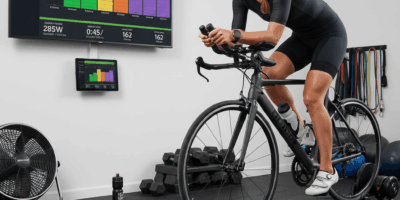
A professional bike fit costs $200-400 and delivers more performance than most equipment upgrades. Poor position wastes watts, causes injury, and makes the run feel worse than necessary. A good fitter optimizes power output while preserving your running legs.
Probably should have led with this section, honestly. I wasted two seasons on an expensive bike that never fit correctly, then spent $300 on a proper fit and immediately dropped five minutes from my Olympic distance time.
Get fitted before buying a bike if possible. Knowing your exact position requirements prevents buying frames that cannot accommodate you. Many shops include a basic fit with bike purchases, but a dedicated fit session from a triathlon-specific fitter is worth the extra investment.
Where to Spend: Wheels
Aerodynamic wheels provide measurable speed gains that most other upgrades cannot match. The difference between stock wheels and quality carbon aero wheels can exceed 2-3 minutes over an Olympic distance course. That improvement compounds over longer races.
Budget around $1,000-1,500 for good training and race wheels. Used carbon wheels from reputable brands often cost half of new prices. I am apparently one of those people who obsesses over wheel reviews, and my used Zipp purchase worked just as well as my training partner’s brand new set.
Where to Spend: Wetsuit
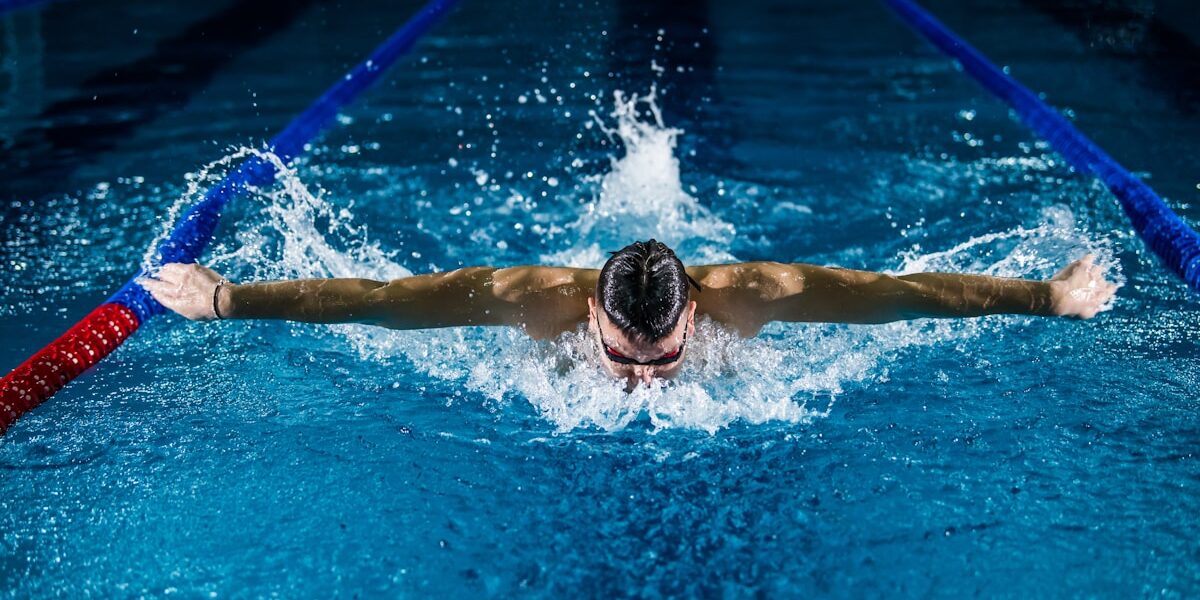
A quality wetsuit adds buoyancy, warmth, and speed. The difference between a $200 entry suit and a $500+ premium suit is significant – better flexibility, faster coatings, and improved buoyancy placement. In legal wetsuit swims, this purchase directly impacts swim times.
Fit matters more than brand. Try multiple suits before purchasing.
Where to Save: The Frameset
Triathlon bike technology has matured. A three-year-old frame design performs nearly identically to current models. Buying last years clearance model or a well-maintained used bike saves thousands while sacrificing minimal performance.
That is what makes bike marketing frustrating for us budget-conscious types – the marginal gains from new frames rarely justify the price premium. The frame contributes less to overall speed than most athletes assume. Wheels, position, and fitness improvements all matter more than the latest frame geometry.
Where to Save: Running Shoes
Expensive running shoes are not faster than mid-range shoes for most athletes. The $150 trainer often performs identically to the $250 carbon-plated race shoe.
Invest in proper shoe fitting instead. Running specialty stores analyze your gait and recommend appropriate shoes regardless of price.
Where to Save: Electronics
Last-generation GPS watches and bike computers work just fine. Paying premium for the newest release often means paying for features you will never use.
Buy used electronics with warranties remaining. Many athletes upgrade frequently and sell barely-used devices at significant discounts.