First triathlon preparation has gotten confusing with all the conflicting advice flying around. As someone who finished my first sprint triathlon after just eight weeks of focused training, I learned everything there is to know about what actually matters and what you can skip. Today, I will share it all with you.
Your first triathlon does not require months of preparation or expensive gear. Sprint distance races – typically a 750-meter swim, 20-kilometer bike, and 5-kilometer run – welcome complete beginners who can simply finish each leg without stopping.
The experience was chaotic, uncomfortable, and one of the most rewarding athletic accomplishments of my life.
Swimming Preparation for Non-Swimmers
Many first-time triathletes cannot swim 750 meters continuously. That is fine. Most sprint races allow any stroke and do not penalize resting at the lane lines. The goal is finishing, not winning.
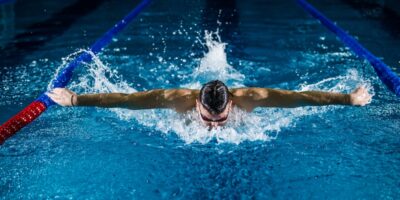
Start in the pool with whatever stroke you can sustain. Front crawl is fastest but breaststroke is perfectly acceptable for beginners. Practice swimming continuously for 10-15 minutes without stopping. Gradually extend the duration over weeks until you can swim for 20+ minutes.
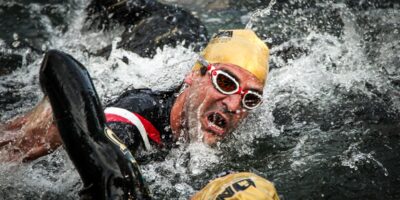
I am apparently one of those people who panics in open water, and practicing in a lake twice before race day made all the difference. Pool swimming does not fully prepare you for sighting – looking up to navigate toward buoys – which takes practice. Wetsuits feel strange initially but provide significant buoyancy that makes swimming easier.
Cycling Preparation
Any functioning bicycle works for a sprint triathlon. Road bikes, hybrid bikes, even mountain bikes with slick tires – all are welcome. Do not let equipment concerns delay your first race.
Ride your planned race distance at least twice before the event. Twenty kilometers takes 40-60 minutes depending on fitness and terrain. Practice shifting gears, drinking while riding, and climbing hills if your course includes them.
Probably should have mentioned this earlier – the most important bike skill is not speed – it is mounting and dismounting safely. Practice getting on and off your bike without falling. Transition areas are crowded and falls happen frequently.
Running Preparation
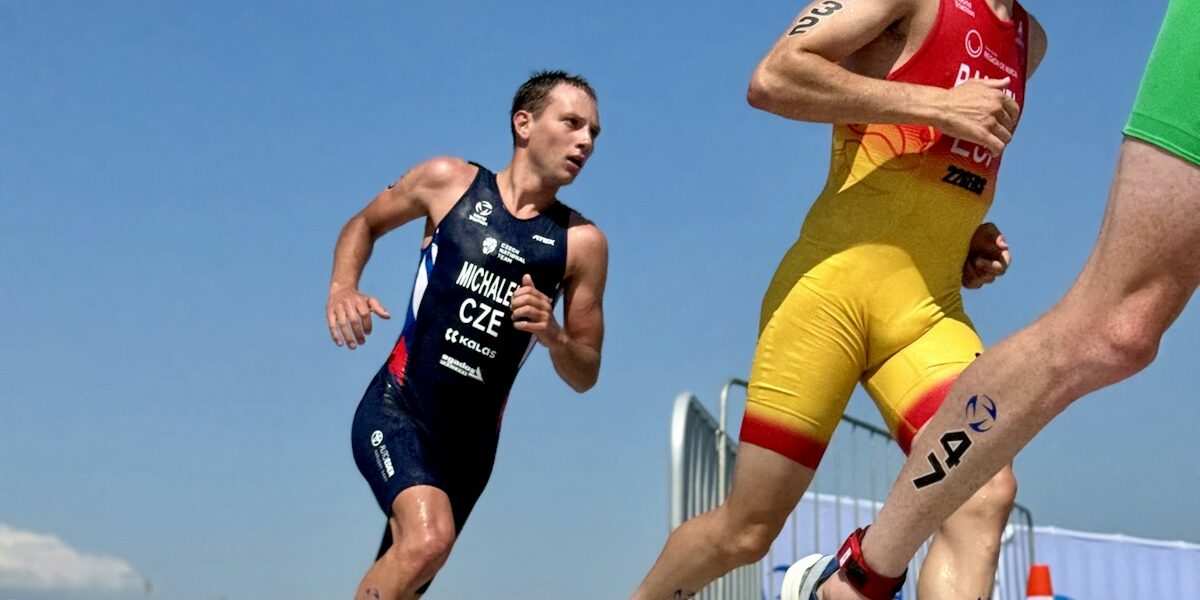
Running after cycling feels strange. Your legs are tired and your muscles have been firing in cycling patterns rather than running patterns. This brick sensation improves with practice.
Include at least one weekly brick session – a bike ride immediately followed by a short run. Start with just 10-15 minutes of running after a 30-minute ride. The first few minutes feel terrible but your legs adapt surprisingly quickly.
If you cannot run 5 kilometers continuously, walk-run intervals work fine for your first race. Alternating 3 minutes running with 1 minute walking is faster than continuous jogging for many beginners.
Transition Practice
Transitions confuse first-timers. After the swim, you strip your wetsuit, put on your helmet, clip into cycling shoes, and grab your bike – all while your heart rate is elevated and your brain is foggy.
Set up a mock transition area at home. Practice the entire sequence multiple times until it becomes automatic. Know exactly where your gear is positioned so you do not waste time searching.
That is what makes transition practice endearing to us obsessive planner types – it feels silly in your driveway but saves real time on race day. The most common transition mistake is forgetting to fasten your helmet chin strap before touching your bike. This results in disqualification. Practice until the helmet check is reflexive.
Race Day Timeline
Arrive at least 90 minutes before your wave start. You need time to pick up your race packet, set up transition, use the bathroom multiple times, and warm up. Rushed race mornings lead to forgotten equipment and poor performance.
Eat breakfast 2-3 hours before your start time. Something familiar that sits well in your stomach – not the experimental protein bar you grabbed at the expo. Hydrate normally but avoid excessive water that leads to bathroom emergencies.
Warm up your muscles before the swim. Light jogging and arm circles increase blood flow. Cold muscles cramp easily, especially in open water swims.
Realistic Expectations
Your first sprint triathlon will feel hard. You will make mistakes in transition. You may get passed by people who look older, heavier, or less fit than you. This is normal.
Focus on finishing, not placing. Every finisher earns the same finisher medal regardless of time. The experience of crossing your first triathlon finish line stays with you forever. Times and placements fade from memory quickly.
Most first-time triathletes are hooked by the finish line. The sport becomes progressively easier as fitness builds and race experience accumulates. Your first sprint is just the beginning.