Ironman training has gotten complicated with all the 12-week programs and YouTube experts flying around. As someone who took three years to work up the nerve and then finished my first 140.6 with a smile on my face, I learned everything there is to know about what actually gets you across that line. Today, I will share it all with you.
Completing your first Ironman is one of the most challenging athletic achievements available to amateur athletes. The 140.6-mile journey from swim start to finish line requires months of dedicated training, careful race planning, and mental preparation. But you already knew that. What you need is the practical stuff.
Understanding What You Signed Up For
An Ironman consists of a 2.4-mile swim, 112-mile bike ride, and 26.2-mile marathon run. Athletes must complete all three disciplines consecutively, with transition time counting toward the total finish time. The cutoff time is 17 hours from the swim start.
These distances demand respect. Even highly trained athletes find the combination grueling. Probably should have led with this section, honestly. The swim alone would be a significant challenge for many fitness enthusiasts. The bike portion is longer than most century rides. And the marathon follows 114.4 miles of prior effort.
Building Your Training Foundation
Most first-time Ironman athletes need 9 to 12 months of consistent training to be adequately prepared. This timeline assumes you already have a reasonable fitness base – you can swim continuously for 30 minutes, ride for 2 hours, and run for an hour without significant difficulty.
If you are starting from scratch, add another 6 months of base-building before beginning Ironman-specific training. Rushing this process leads to injury, burnout, or DNF on race day. I learned this watching training partners drop out at mile 80 on the bike.
Weekly Training Volume
Peak training weeks for first-time Ironman athletes typically include 12-16 hours of training spread across all three disciplines. A typical week might include:
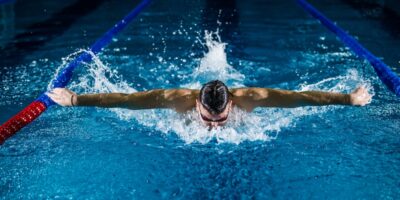
Three swim sessions totaling 8,000-10,000 yards. One longer continuous swim builds the endurance needed for race day. The other sessions focus on technique drills and interval work.
Three to four bike sessions totaling 150-200 miles. The key workout is your weekly long ride, which should peak at 5-6 hours about three weeks before race day. Include one intensity session with tempo efforts or hill repeats.
Three to four run sessions totaling 30-40 miles. Your longest run should reach 20-22 miles, though some coaches advocate for capping at 16-18 miles to reduce injury risk. One run should immediately follow a bike session to practice running on tired legs.
Brick Workouts Are Non-Negotiable
Brick workouts – running immediately after cycling – are essential for Ironman preparation. The sensation of running after hours on the bike is unlike anything else. Your legs feel heavy, your cadence feels off, and your running form degrades.
Start with short bricks early in training. Gradually extend both portions. By peak training, you should complete at least one session with a 4-hour ride followed by a 60-90 minute run.
These workouts teach your body to adapt to the transition and help you find a sustainable running pace for race day. Many athletes discover their run pace needs to be significantly slower than their standalone marathon pace. I certainly did.
Nutrition Planning – Where Most First-Timers Blow It
Race day nutrition is where many first-timers make costly mistakes. What works for shorter events often fails spectacularly over 10-14 hours of continuous effort.
Calorie Requirements
You will burn approximately 700-900 calories per hour during an Ironman, depending on body size and effort level. Unfortunately, your body can only absorb 200-350 calories per hour under race conditions. This creates an inevitable calorie deficit that you must manage rather than eliminate.
Plan to consume 250-300 calories per hour on the bike, mostly from easily digestible sources like gels, bars, and sports drink. On the run, aim for 150-200 calories per hour. Solid foods become harder to tolerate as race day progresses.
Hydration Strategy
Dehydration and over-hydration both cause serious problems. The old advice to drink as much as possible has given way to a more nuanced approach: drink to thirst while monitoring sodium intake.
Plan for 20-28 ounces of fluid per hour on the bike, adjusting based on heat and humidity. Include electrolyte supplements. On the run, aid stations every mile make smaller, more frequent hydration easier.
Practice Everything
Never use new nutrition products on race day. Your long training sessions should incorporate the exact products you plan to use during the event. This includes gels, bars, salt tablets, and sports drinks.
Most races publish their aid station nutrition in advance. If possible, train with those products. Alternatively, carry your preferred nutrition and use aid stations only for water.
Race Day Execution
The Swim
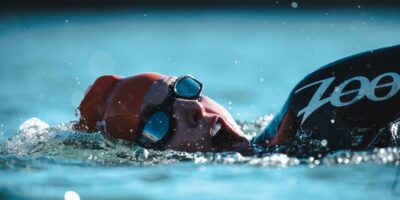
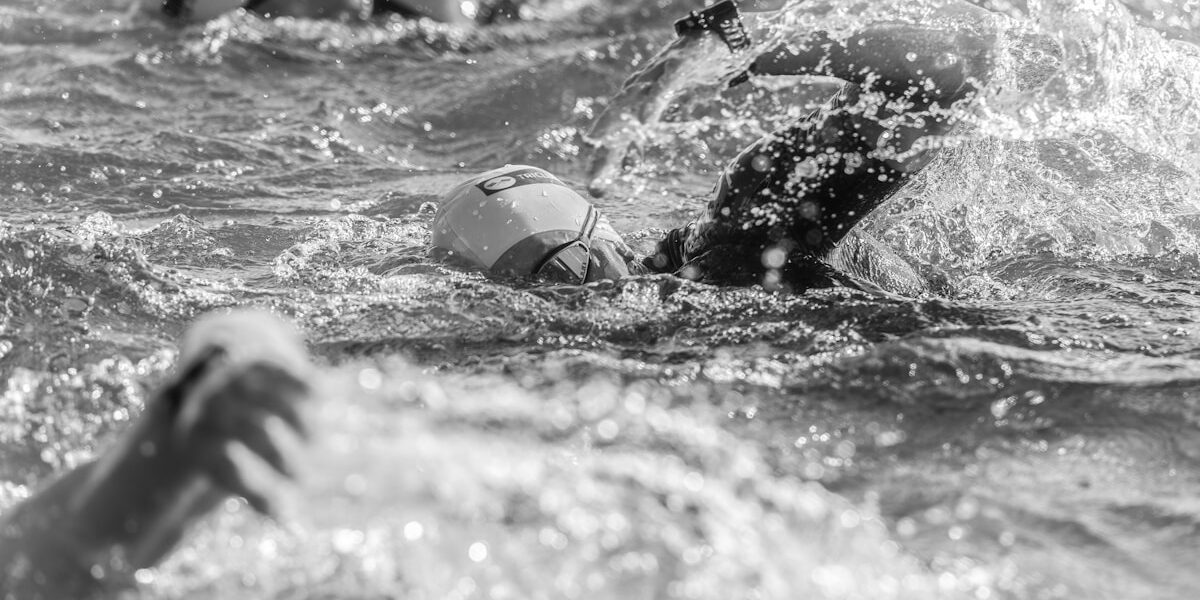
The swim is often the most anxiety-inducing portion for first-timers. Mass starts with hundreds or thousands of athletes can feel chaotic. Practice open-water swimming extensively, including starts with other swimmers around you.
Position yourself appropriately at the start. If you are not a confident swimmer, start at the back or sides to avoid the washing machine effect of faster swimmers swimming over you. A slightly longer swim path is better than panic in the first minutes.
Sight frequently to stay on course. Swimming extra distance due to poor navigation is a common first-timer mistake.
T1: Swim to Bike
The first transition should be methodical rather than rushed. You have 17 hours. Take time to dry your feet, apply sunscreen if needed, and ensure your helmet is secure before touching your bike.
Practice your transition routine during training. Know exactly where each item is in your bag and the order you will put things on. A smooth, practiced transition is faster than a frantic one.
The Bike
The bike leg is where races are lost, not won. Your only goal should be arriving at T2 feeling ready to run a marathon. Going too hard on the bike is the most common reason athletes fail to finish or have miserable runs.
Use power or heart rate to govern effort, not speed or position relative to other athletes. Your power target should be approximately 65-75% of your functional threshold power. If you do not have power, keep your heart rate in zone 2 for most of the ride.
Eat and drink consistently throughout the ride. Set a timer for every 15 minutes as a reminder to consume something. By the time you feel hungry or thirsty, you are already behind.
T2: Bike to Run
The second transition can feel very strange. Your legs have been pedaling for 5-7 hours and must now run. Take extra time if needed to stretch, use the bathroom, and mentally prepare for the marathon ahead.
Change into fresh socks and shoes if that is part of your plan. Apply any additional anti-chafe products. Some athletes change into entirely fresh running clothes for the psychological boost.
The Run
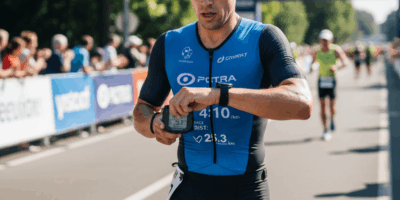
Start the run slowly – slower than feels appropriate. The first few miles should feel almost too easy. If you are running faster than planned, you are going too fast. The marathon will catch up to you.
Walk the aid stations. This is not a sign of weakness – it is smart racing. Walking through aid stations lets you take in nutrition properly and gives your running muscles brief recovery periods. Many experienced Ironman athletes use a run-walk strategy from the beginning.
As the miles pass, stay present. Do not think about how far you have to go. Focus on reaching the next aid station, the next mile marker, the next landmark. Break the marathon into smaller, manageable segments.
Mental Preparation
The physical training is only half the battle. Ironman challenges you mentally in ways that shorter events cannot. You will face low points – periods where everything hurts and the finish line feels impossibly far away.
Develop mantras and mental strategies during training. Practice positive self-talk during hard workouts. Visualize yourself completing the race, including the difficult moments and how you will push through them.
Remember why you are doing this. Your reasons will carry you through the darkest miles.
Race Week and Taper
The two to three weeks before race day require significant reduction in training volume. This taper period lets your body recover from months of training and arrive at the start line fresh and ready.
Reduce volume by 30-50% two weeks out and 50-70% in race week. Maintain some intensity to stay sharp, but every workout should leave you feeling better than when you started.
Use race week to finalize logistics: pick up registration, scout the course, lay out gear, and practice transitions at the venue if possible. Eliminate decision-making on race day by planning every detail in advance.
Crossing the Finish Line
The Ironman finish line experience is like nothing else in endurance sports. After 140.6 miles, you will hear those words: You are an Ironman. That moment makes every early morning workout, every sacrifice, and every hard training session worthwhile.
Take your time approaching the finish. Look around. Soak it in. This moment is yours – you earned it through months of dedication and hours of discomfort. Raise your arms, smile for the camera, and accept the medal you have worked so hard to earn.
Welcome to a community of athletes who have pushed beyond what they thought possible. You are an Ironman.