Triathlon pacing has gotten complicated with all the power meter data and heart rate zones flying around. As someone who learned the hard way – walking the final three miles of an Ironman marathon after a blistering first bike split – I can tell you that starting slow wins races. Today, I will share why.
The fastest triathletes finish races by starting slower than they want to. This counterintuitive approach frustrates beginners who feel good at the start and cannot understand why they should hold back. Then they blow up on the run.
The Physics of Pacing
Energy output increases exponentially with speed. Riding five percent faster than sustainable pace does not just cost five percent more energy – it costs significantly more. The effort feels manageable initially but depletes glycogen reserves and accumulates lactate that haunts you later.
Triathlon uniquely punishes early aggression because three disciplines means three opportunities to overcook the pace. Going hard in the swim leaves you gasping at the bike mount. Pushing the bike leaves your legs wooden for the run. The mistakes compound.
The run reveals all pacing errors. Even athletes who feel strong leaving transition often experience dramatic slowdowns in the final miles. Those who started conservatively catch and pass the early leaders who are now walking.
I am apparently one of those people who has to learn this lesson repeatedly, and conservative starts work for me while aggressive racing never has. Probably should have led with that admission, honestly.
Heart Rate and Power Targets
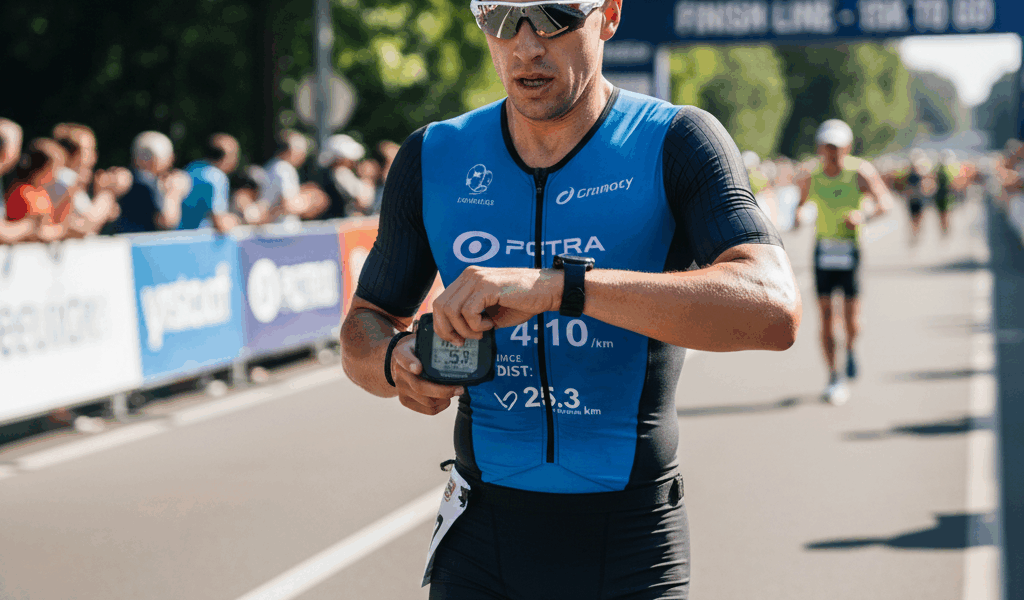
Objective metrics prevent pacing mistakes better than perceived effort. Heart rate monitors and power meters provide real-time feedback on actual intensity rather than how hard you think you are working.
Race-day adrenaline distorts perceived effort. What feels like easy zone 2 effort is often actually high zone 3 or low zone 4. Athletes without objective measurement almost universally start too fast.
Setting maximum heart rate or power caps for the first portion of each discipline forces restraint. Holding back when you feel good requires discipline but pays enormous dividends later.
The Negative Split Strategy
Negative splitting means completing the second half of a discipline faster than the first half. This strategy produces faster overall times than even pacing for most athletes in most conditions.
Starting conservatively preserves glycogen for later when competitors are slowing. Mental confidence builds as you pass fading athletes. The psychological boost from negative splitting often produces performances exceeding expectations.
Practicing negative splits in training prepares you for race execution. Intentionally holding back during the first half of long workouts conditions your brain to accept restraint when it matters most.
When Fast Starts Work
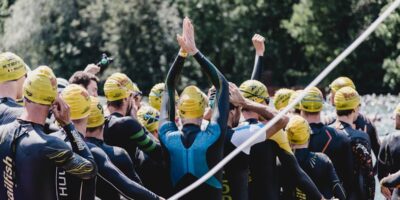
Draft-legal races represent an exception. Staying with a fast swim pack or bike group saves significant energy through drafting. The benefits of the draft can outweigh the costs of early intensity.
Very strong swimmers may also benefit from fast swim starts. Exiting the water in the front group means cleaner bike mounting and less congestion. However, this strategy only works if your swim fitness genuinely supports the pace.
Elite athletes occasionally succeed with aggressive racing strategies because their fitness allows fast starts without blowing up. Age-group athletes rarely possess this capacity. Conservative pacing remains the safest approach for most competitors.
Building Pacing Discipline
Training yourself to start slow requires deliberate practice. Include workouts specifically designed to build pacing discipline. Start every long session at a pace that feels too easy. Resist the urge to pick up speed until the final portion.
Race simulations help. Practice brick workouts with race-specific pacing targets. Discover what sustainable intensity actually feels like when fatigued. This awareness transfers directly to race day execution.
Review past race files honestly. Most athletes who believe they paced well actually started too fast when the data is analyzed objectively. Learning from these patterns prevents repeating mistakes.
That is what makes pacing discipline endearing to us analytical types – the data never lies. You can feel like you paced perfectly, but the numbers show the truth. Trust your training, trust your targets, and ignore the athletes sprinting off the line. You will catch them later.